
Fixing social media FOMO: What can we do to improve young people’s lives?
By Eddie Hillier, Economist and Data Analyst at State of Life
The World Happiness Report (WHR) 2026 was published on March 19th, bringing together leading experts to explore wellbeing across the globe.
A familiar feature of the WHR is their international comparisons - which countries are the happiest? Finnishing in top place, for the 9th year running, is Finland. In contrast, the United Kingdom sits in 29th place.
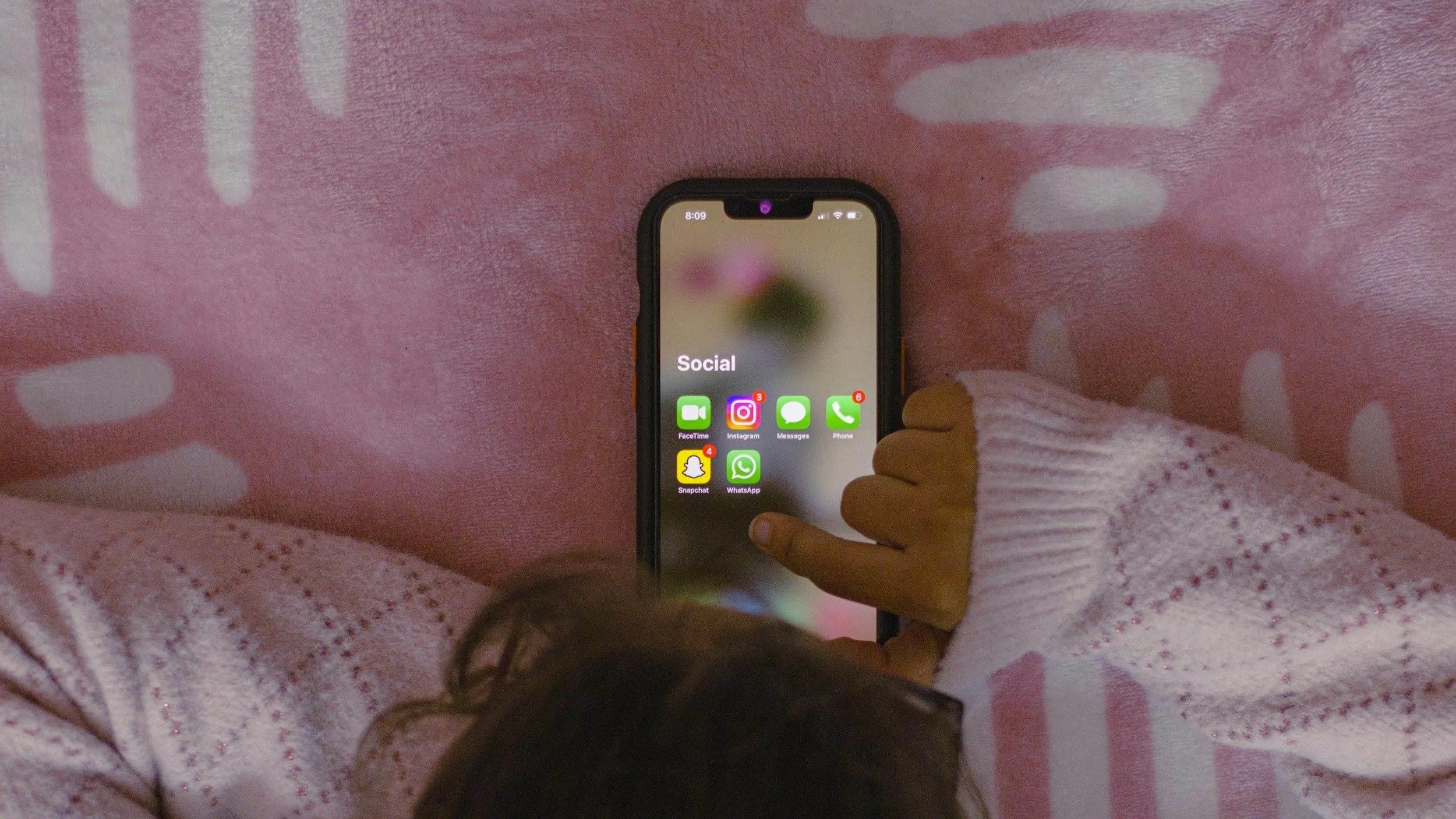
This year's report also zeros in on a particular topic: the relationship between social media and adolescent wellbeing. The focus is timely; governments around the world are exploring ways to limit young people’s exposure to these technologies, and companies have recently been found liable for harms stemming from addictive use. But what does the WHR have to say about using social media and happiness?
The complexities of social media
Digging into the data from around the world, this relationship is far from black and white. The link between social media use and wellbeing seems to be more negative in English-speaking countries and Western Europe than other regions, and its impact will likely depend on how you use it and for how long. Do you use applications for social connection or comparison? Are you a light user, or heavy user? The report also explores differences within demographic groups. For example, evidence suggests that problematic social media use may be relatively more harmful for kids from lower socioeconomic groups compared to those from more advantaged backgrounds.
Overall, the WHR suggests that high levels of social media may harm wellbeing, but there are nuances sitting behind this headline. We should also be careful to clarify that many of these links are correlational, not causal. Gathering more evidence, as well as bringing in rigourous evaluations of policy, can help make informed decisions.
Knowing what works
How would we know whether these limits on social media would actually help young people? We have previously worked with Ofcom to provide guidance on how to evaluate the wellbeing impacts of the Online Safety Act, where we advocated for the huge potential of using subjective wellbeing data.
With new policy proposals on the horizon, our recommendations haven’t changed. Subjective wellbeing can act as a vital piece of evidence - alongside other complementary sources - to understand the impact that these changes have made on young people.
Thinking positively about free time
Policy-makers are exploring the utility of limits, curfews, or bans, asking: what can we take away to reduce harm? However, alongside a move to moderate or exclude, we will also need to reflect on what we should include. What can we add to young people’s lives so that they can flourish?
From FOMO to JOMO (Joy of missing out)
Our extensive work in the youth sector has shown that there are plenty of things that we can do to enrich the lives of young people.
Analysis at State of Life has found that sport and physical activity is a big driver of wellbeing for children and young people. The Year 2 of the Social Value Model of Sport England estimates the value of sport and physical activity to be around £14 billion a year for 7-16 year olds.
We have also worked with two leading names in the youth sector, the Duke of Edinburgh’s award and Girlguiding, to estimate the value they provide. Our analysis finds that engagement in these activities, which involve a mix of physical activity, volunteering opportunities, learning new skills, and connection with others, is associated with improved wellbeing for young people.
We must always be aware of the barriers that might limit participation for young people, like cost and accessibility. Our WELLBY analysis for StreetGames suggests that reaching kids from underserved communities can be incredibly beneficial. This work emphasises how important it is to try and make opportunities as accessible as possible.
Our efforts to understand what matters to kids have been turbocharged by the C-WELLBY: a clear wellbeing measure for those aged under 10. This means that we can be as inclusive as possible when trying to make the right decisions for everyone.
When everyone is thinking about what we might take away from kids, we also have to think about what we can bring. Our work at State of Life is clear: getting active, joining groups, making connections, and giving back can help enable young people to thrive.